
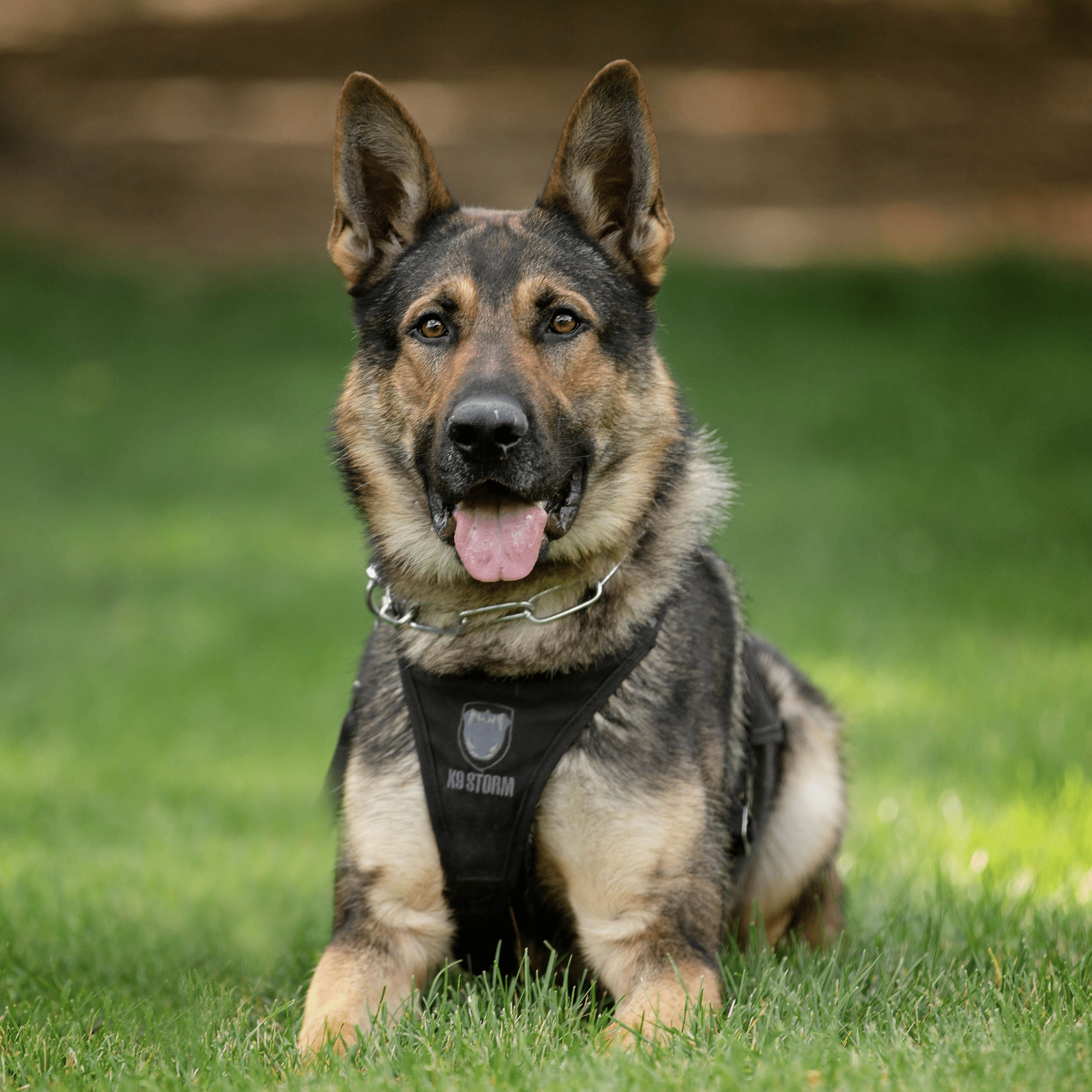
Canine Unit
The Canine Unit The RPS Canine Unit is made up of 6 handlers; including a Supervisor and Training Coordinator. Each team member is partnered with and works exclusively with their own dog. Some handlers use more than one dog while on duty as some dogs are kept as Drug Detection Dogs (DDD) when they are no longer able to function as General Purpose Dog/Police Service Dog
Meet our Police Service Canines
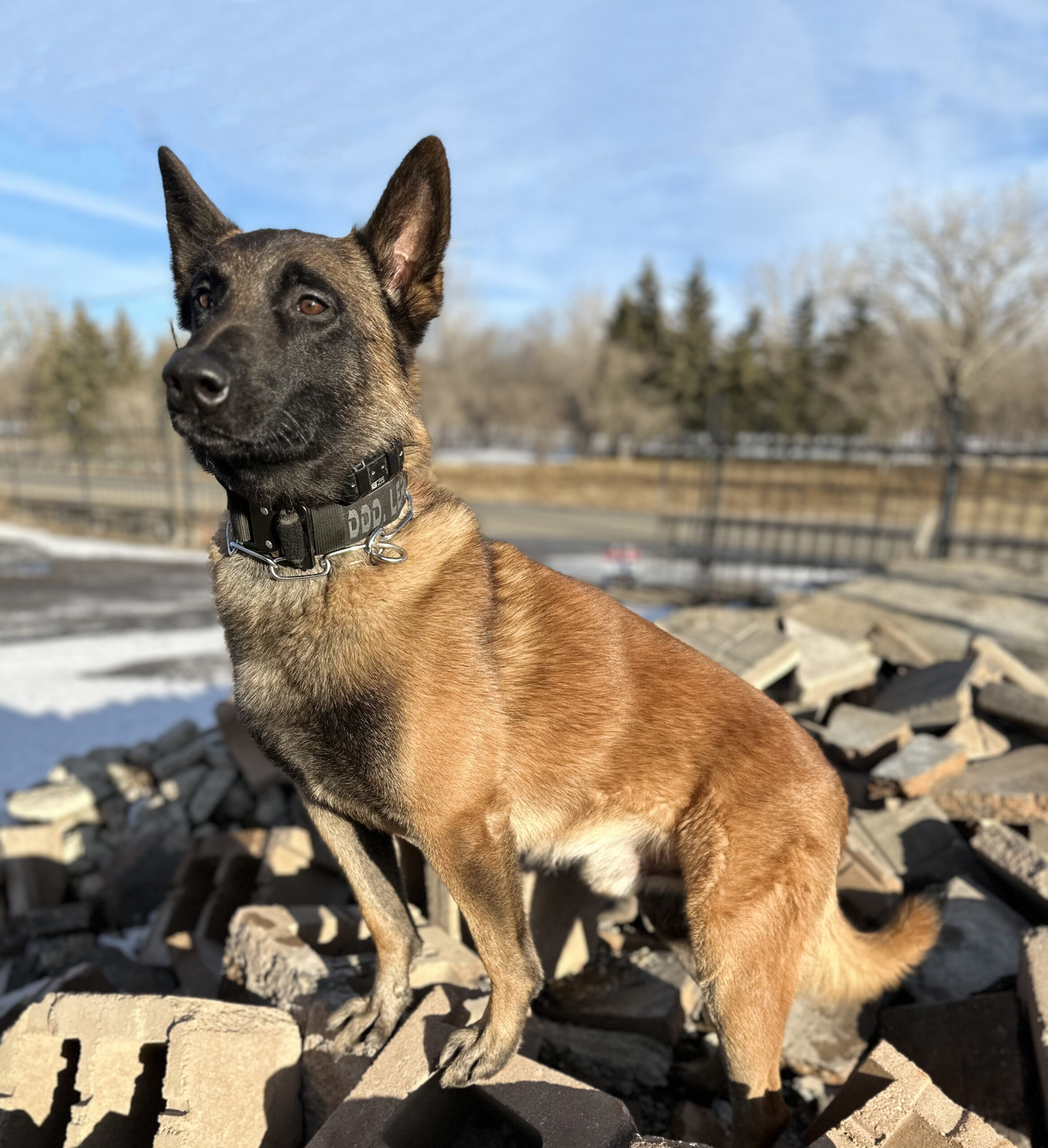
DDD Leroy
Drug Detection Dog • Belgian Malinois
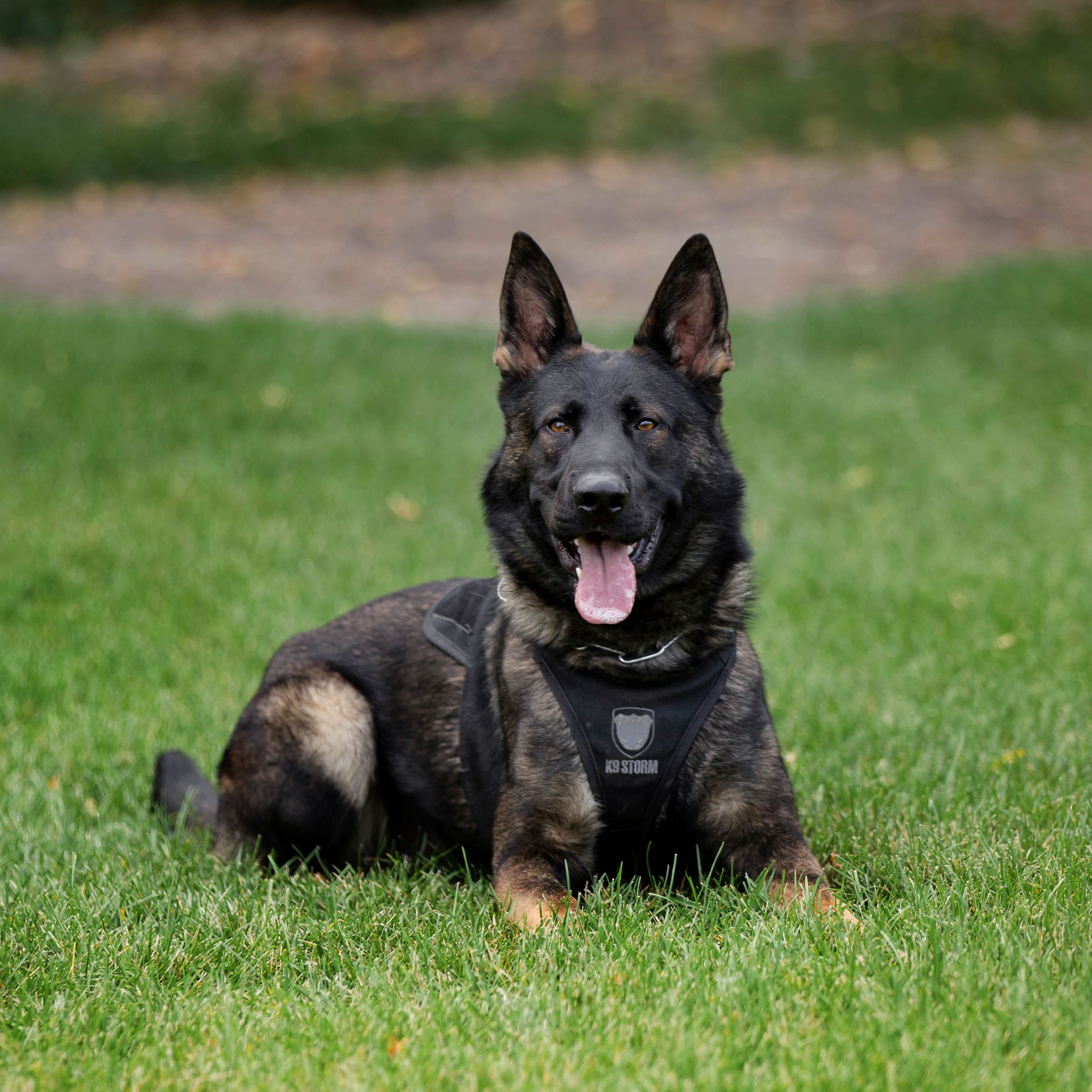
PSD Buster
Police Service Dog • German Shephard
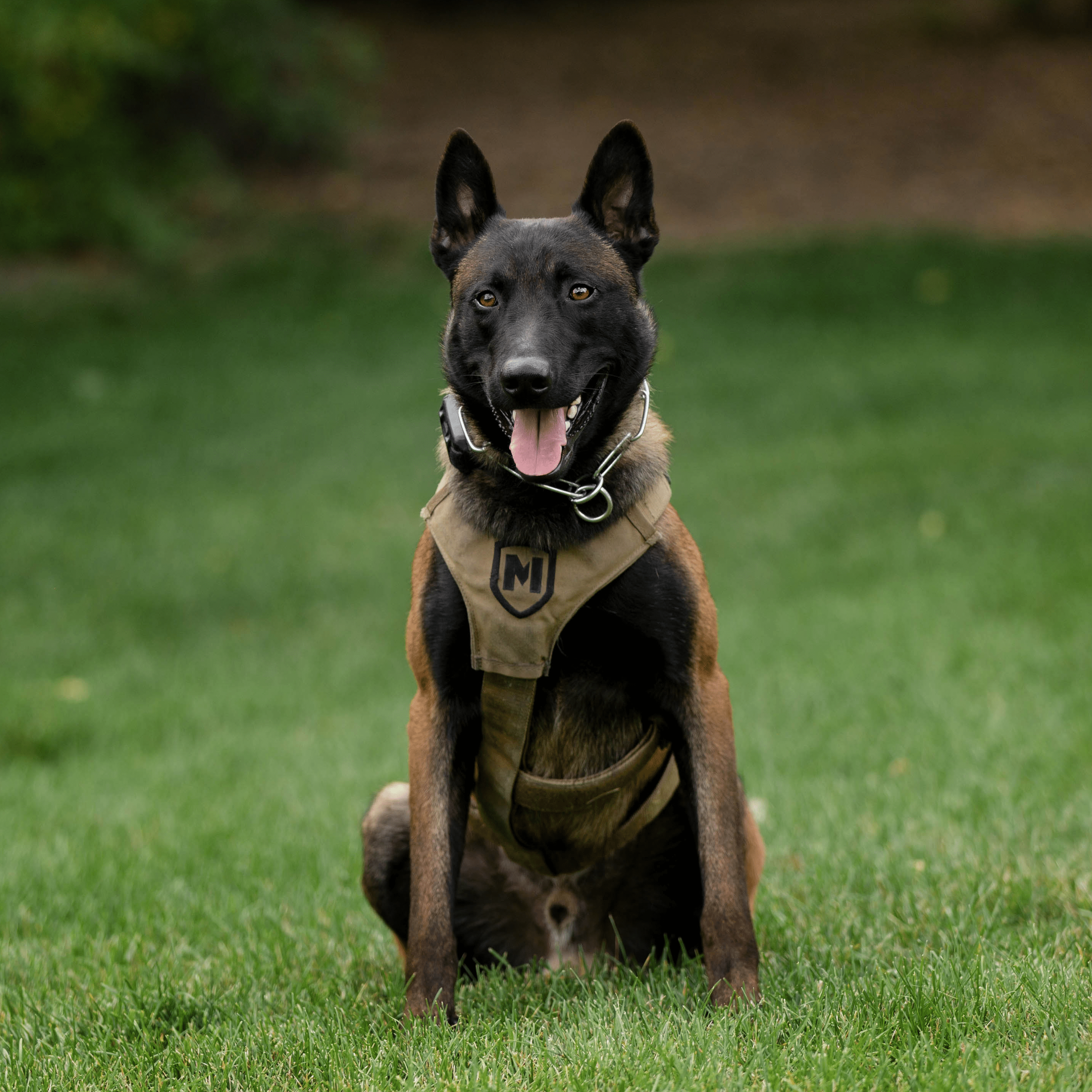
PSD Jekyll
Police Service Dog • Belgian Malinois
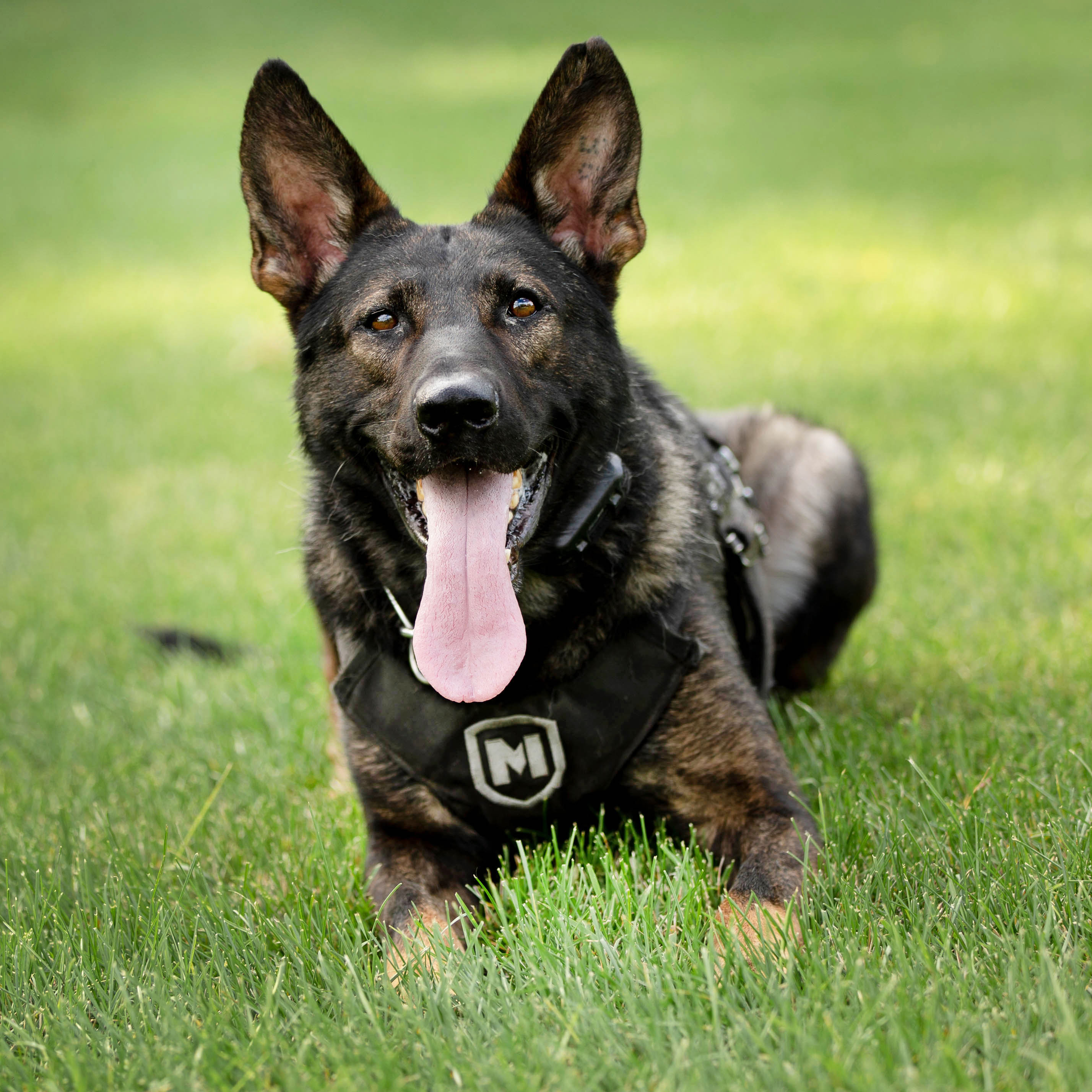
PSD Otto
Police Service Dog • German Shephard
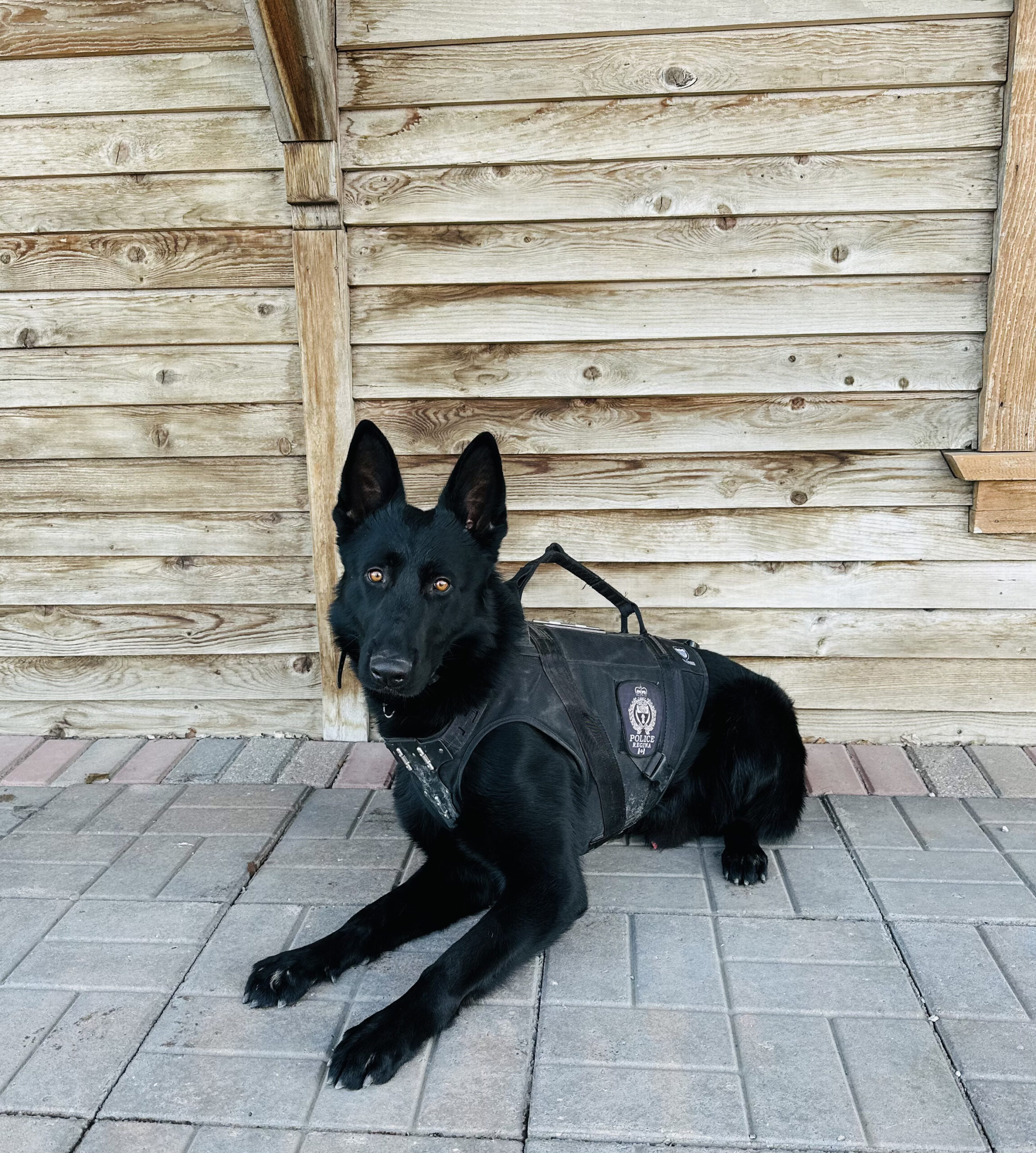
PSD Cash
Police Service Dog • German Shephard
PSD Binx
Police Service Dog • Belgian Malinois
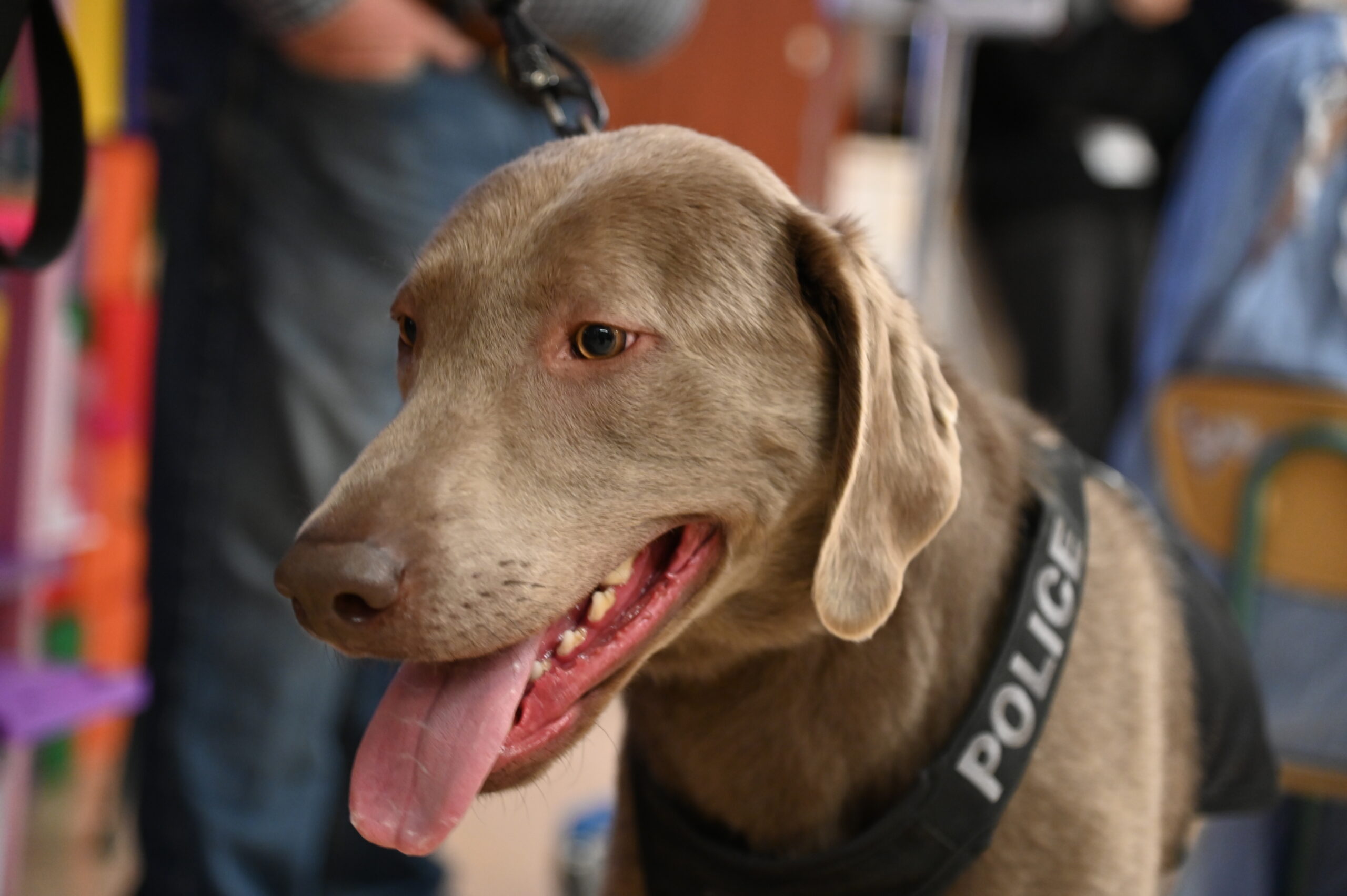
EDD Boss
Explosive Detection Dog • Labrador Retriever
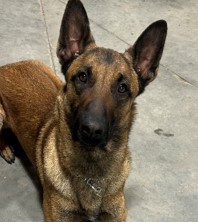
PSD Gator
Police Service Dog • Belgian MalinoisTraining & Readiness
Team members and dogs complete a standard 16-week training period, followed by extensive ongoing training throughout the year. Canine members must stay in peak physical condition, as the role often requires officers to follow tracks and pursue suspects on foot.
Partners On and Off Duty
At the end of each shift, the dogs go home with their handlers. While each dog is a highly trained member of the team, they are also pets, companions, and family members.
Public Safety and Community Engagement
The Canine Section provides canine support services to officers in Patrol while responding to a variety of calls for service. Canine members can be at the scene, almost immediately, of an armed robbery, auto theft, break and enter or weapons offence. The dogs add their tracking ability and speed to patrol investigations and often assist in apprehending suspects. Canine members also visit schools regularly and perform demonstrations for community groups.
Patrol Support
Canine teams assist officers responding to armed robberies, auto thefts, break and enters, and weapons offences.
Tracking
The dogs use their speed and tracking ability to help locate suspects, evidence, and missing persons.
Community Engagement
Canine members visit schools and perform demonstrations for community groups.
Drug Detection
Drug Detection Dogs support investigations through specialized detection work.
Get to Know Our Canine Partners
Price
Canines range in cost from virtually free when we do in-house breeding, to upwards of $10,000 when they are purchased from a breeder or broker.
Weight
The average weight of our dogs ranges from 70-85lbs.
Career
Canines career’s vary in length and depend highly on the animal’s health and ability to perform their duties. It also depends on the handler’s desire to stay in the canine section. We typically start a dog into police work between 12 months and 2 years of age. The term in canine is 5-7 years with two 1 year extensions available. The handler is expected to do at minimum 5 years in the spot but can remain for 7 without special request. Typically, teams “retire” together under normal circumstances when the dog is between 7-10 years old.
Training
Canine “basic” training is a 16-18 week course where the inexperienced canine and handler are paired together and learn to perform the functions that are required to provide canine service to the community. Ultimately the team must “qualify” at the end and then each year after to the Saskatchewan Provincial Standard for Police Dogs. The standard sets out the minimums that each team must be able to perform in order to provide service to the community in the following areas: Tracking, Person Search, Evidence Search, and Criminal Apprehension. The teams must also demonstrate their ability to pass the standard’s criteria for basic agility and obedience.
Diet
Each canine in the unit is on a diet that has been found to be best suited to that animal. Most are on a high quality kibble product that is additionally supplemented by other products to support joints, immunities, and digestive system. One of our dogs is also on a raw diet consisting of raw beef. He is also supplemented as listed above.
Name
Dogs typically have come to RPS with names given at the time of their birth, assigned by litter. In some cases, they have been changed by the handler at their prerogative. In other cases, usually during times when puppies have come to the unit, the section has run naming competitions.
You must be logged in to post a comment.